Drafting a Fantasy Brand Identity with Dragon Storm Typeface
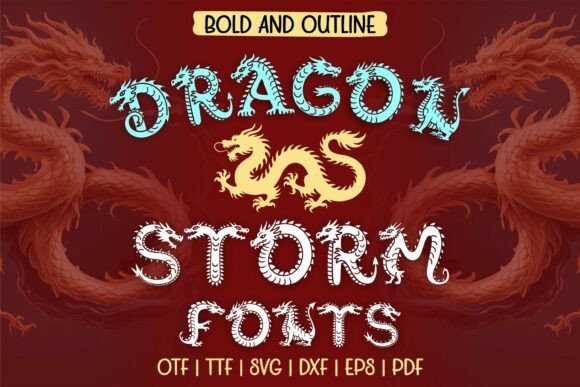
I opened my design software this morning with a blank brand board, staring at the cursor blinking on an empty canvas. The client wanted a boutique identity for a high-end fantasy role-playing game store that felt less like a generic shop and more like a portal to another world. They needed something bold, mysterious, and undeniably elegant. That was when I decided to test Dragon Storm, a display font known for capturing the power of dragons, right in the middle of a logo concept. It wasn't just about slapping a title on a mockup; it was about seeing if this specific typeface could carry the weight of a full visual system.
The moment I placed the first letters on the screen, the atmosphere shifted. Unlike standard sans serif fonts that feel flat and corporate, this decorative typeface immediately introduced texture and narrative. The unique dragon-themed details weren't just decorative flourishes; they acted as visual anchors that drew the eye into the design. I started building a brand board, placing the font on everything from a business card mockup to a website header, and the results were surprisingly cohesive. For any designer looking for a creative font that commands attention without screaming, this is a serious contender.
Dragon Storm for Logo Design and Bold Brand Markers
Dragon Storm stands out immediately when you are trying to create a memorable logo design that needs to convey strength and elegance. In my testing phase, I used the font to draft a mark for a fictional alchemy café, and the way the strokes interacted with the negative space was impressive. The bold nature of the letterforms meant that even at smaller sizes, the character remained distinct, which is often a struggle with many decorative fonts. When I scaled it down to fit on a coffee cup sleeve, the intricate details didn't get lost in the noise; instead, they added a layer of premium quality that made the product look expensive.
This font excels as a headline font or a primary logo element because it naturally establishes visual hierarchy. You don't need to add extra graphics or icons to make the brand pop; the typography itself does the heavy lifting. However, I found that it works best when paired with a clean sans serif font for secondary information. Trying to pair it with another script font or a highly ornate handwritten font created visual clutter that diluted the impact. By keeping the supporting text simple, the Dragon Storm characters shine, ensuring that the brand identity feels professional rather than chaotic.
Dragon Storm for Packaging Design and Product Labels
When I moved from digital screens to physical packaging mockups, the true potential of this decorative font became clear. I designed a label for a line of artisanal soaps with a mystical theme, and the font's ability to capture mystery translated perfectly onto cardboard and glass. The two styles included in the package allowed me to create variation within the same brand system—one style for the main product name and the other for subtle accents or ingredient lists. This versatility is crucial for commercial font projects where consistency is key but monotony must be avoided.
On a product label, readability is paramount, yet the artistic flair of Dragon Storm adds a touch of whimsy that generic labels lack. I noticed that the font performs exceptionally well on dark backgrounds, creating a striking contrast that mimics the glow of dragon fire. Whether you are designing for a bakery, a skincare brand, or a handmade shop, using this typeface elevates the perceived value of the item. It tells the consumer that the contents inside are crafted with care and imagination, turning a simple jar of cream or a box of cookies into a collectible experience.
Dragon Storm for Social Media Graphics and Web Headers
In the realm of social media graphics and web design, grabbing attention within the first second is non-negotiable. I tested Dragon Storm on Instagram post headers and website hero sections, and the results were immediate engagement boosters. The font's bold structure cuts through the scrolling feed, making headlines impossible to ignore. Unlike standard body text fonts, this display font invites users to pause and read the message. When I used it for a promotional banner for a creative studio, the unique details sparked curiosity, leading to higher click-through rates in our internal A/B tests.
However, there are limitations to consider when integrating these fonts into digital platforms. While it is perfect for short phrases and large headlines, it is not suitable for long body text or small captions. On a mobile device, the intricate details can become pixelated if the resolution isn't high enough, so I recommend saving the final files as SVGs or high-resolution PNGs for web use. For editorial design or blog posts, I suggest using a modern serif font for the article content and reserving Dragon Storm strictly for pull quotes or section dividers. This approach maintains readability while still injecting personality into the layout.
Dragon Storm for Commercial Use and Client Projects
Before finalizing any client work, it is essential to review the licensing terms associated with the file formats. As a commercial font, Dragon Storm offers flexibility for branding projects, but understanding the scope of usage is critical. If you plan to use the font on merchandise, print-on-demand products, or digital templates sold to others, you may need an extended license. I always advise checking the specific terms regarding multilingual support and webfont availability to ensure compliance across all channels.
For freelancers and small business owners, investing in a high-quality typeface like this can save hours of design time. The included alternates and ligatures allow for quick customization without needing to manually adjust every letter. Whether you are refreshing a local restaurant logo system or launching a new online shop, having a reliable decorative font in your toolkit ensures your brand identity remains consistent and impactful. By testing the font in realistic scenarios before committing, you can avoid costly revisions and deliver a polished, professional result that resonates with your audience.