Groovy Pixel: The Retro Display Font for Modern Editorial Design
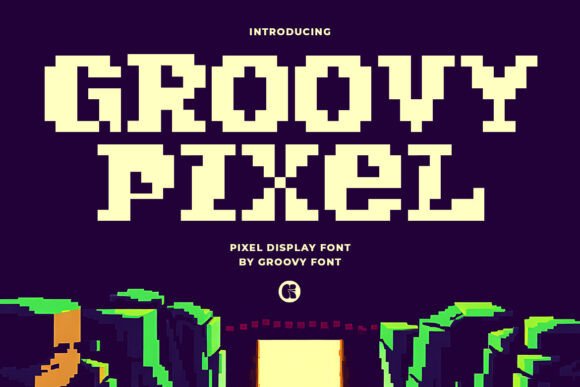
I remember the exact moment I knew my digital magazine redesign needed a shift. It was late afternoon, and I was staring at a clean, minimalist layout that felt a bit too sterile for the content I was curating. The articles were about nostalgia, vintage gaming culture, and retro lifestyle trends, but the typography felt disconnected from the mood. That is when I discovered Groovy Pixel, a charming Pixel Display Font reminiscent of retro video game aesthetics. It wasn't just a typeface; it was the missing visual rhythm that could tie the entire publication together without sacrificing editorial integrity.
How Groovy Pixel Defines Visual Identity in Digital Magazines
When you are selecting Display fonts for a digital magazine, the goal is often to create an immediate emotional connection with the reader before they even read the first sentence. Groovy Pixel excels here by bringing a nostalgic pixelated design that perfectly captures the essence of 8-bit and 16-bit eras. In my recent project, I used this font for the main cover headlines and section dividers. The result was a publication that felt instantly cohesive, as if the design itself was whispering stories of arcade halls and classic consoles. Unlike generic decorative fonts that can look dated or messy, Groovy Pixel maintains a structured grid that supports readability while delivering a distinct brand identity. It transforms a standard layout into a curated experience, proving that a display font can be both expressive and professional.
Groovy Pixel for Newsletter Graphics and Creator Branding
For newsletter writers and independent creators, standing out in a crowded inbox is a constant challenge. A well-crafted subject line or header graphic can make all the difference between an open and a delete. I tested Groovy Pixel on a series of weekly creator newsletters focused on digital art and productivity. By using the font for pull quotes and bolded key takeaways, I created a visual hierarchy that guided the reader's eye through the dense text. The pixelated aesthetic adds a layer of personality that feels authentic to the "maker" community. When readers see Groovy Pixel at the top of their email, they know exactly what kind of content to expect: fun, engaging, and slightly nostalgic. This consistency helps build a loyal audience who return not just for the information, but for the unique editorial voice established by the typography.
Applying Nostalgic Typography to Educational Workbooks and Guides
Creating educational materials like coaching workbooks or printable planners requires a delicate balance between approachability and authority. If the design is too serious, students may feel intimidated; if it is too casual, the content might seem unprofessional. Groovy Pixel strikes this balance beautifully. Its friendly, rounded pixel shapes soften the tone of instructional content without losing clarity. I recently redesigned a course PDF that included worksheets and checklists, replacing the standard sans-serif headers with Groovy Pixel. The change made the workbook feel more like a creative journal than a rigid textbook. The font's rhythmic structure helped break up long sections of instructions, making the material more digestible for learners. For anyone selling digital products, using a font like Groovy Pixel signals that the product is designed with care and attention to detail.
Groovy Pixel for Recipe Ebooks and Lifestyle Blog Headers
In the world of food blogging and recipe ebooks, the visual presentation is just as important as the taste of the dish. A title font needs to be appetizing and inviting. I experimented with Groovy Pixel for a collection of retro-inspired dessert recipes, and the results were delightful. The font's blocky, pixelated nature mimics the charm of old-school packaging and arcade cabinets, which paired wonderfully with illustrations of vintage kitchenware. When used for blog headers or chapter titles, Groovy Pixel creates a playful atmosphere that encourages readers to explore the content. However, it is crucial to understand that this font is best reserved for titles and accents. Using it for body copy would hinder readability, especially on mobile devices where screen real estate is limited. Instead, pair it with a clean serif font for the recipe steps to ensure the instructions remain crisp and easy to follow.
Strategic Pairing for Balanced Editorial Layouts
The success of any typographic system lies in how well the display font complements the body text. Groovy Pixel is a statement piece, and like any strong accent, it needs a supportive partner. In my editorial layouts, I consistently pair Groovy Pixel with a highly legible serif font for body paragraphs. The contrast between the structured, geometric pixels of the display font and the organic curves of a serif typeface creates a dynamic tension that keeps the page interesting. For captions, navigation menus, and metadata, a clean sans serif font works best to maintain neutrality. This combination ensures that the Fonts within your document serve their specific roles: one grabs attention, while the other delivers the message clearly. When designing for print or high-resolution PDF exports, this pairing strategy ensures that the visual hierarchy remains intact regardless of the medium.
Groovy Pixel for Social Media Graphics and Web Design Accents
Beyond static documents, Groovy Pixel offers immense value for social media graphics and web design elements. The font scales well for Instagram story highlights, YouTube thumbnails, and website banners. Its pixelated style translates effectively to smaller screens, retaining its character even at reduced sizes. I used the font to create a set of promotional assets for a retro-themed event, and the engagement metrics showed a noticeable uptick compared to previous campaigns using standard fonts. The unique aesthetic stops the scroll, drawing users into the content. Whether you are designing a logo, a button, or a featured image, Groovy Pixel provides a versatile tool for creating a memorable brand identity. It is particularly effective for audiences who appreciate vintage aesthetics, gaming culture, or creative design trends.
Practical Considerations for Commercial Use and Licensing
Before integrating Groovy Pixel into commercial projects, it is essential to review the licensing terms and available file formats. Most premium display fonts come with various weights, alternates, and ligatures that allow for greater customization. Checking for multilingual support is also vital if your audience spans different regions. While the font is perfect for titles, subtitles, and decorative accents, it should never be used for long-form reading or small captions. The pixelated details can become muddy at very small sizes, reducing legibility. By reserving Groovy Pixel for high-impact areas like cover text, section headings, and pull quotes, you ensure that your design remains accessible and professional. With the right application, this font becomes a powerful asset in your design toolkit, capable of elevating any project from ordinary to iconic.