Mono Typeface Review for Modern Editorial Design
I remember the exact moment I needed to redesign a digital magazine layout: scrolling through endless font libraries while staring at a blank cover page, trying to find something that felt sharp enough to cut through the noise but clean enough to maintain editorial dignity. That was when Mono caught my eye as a potential solution for a project requiring a distinctly modern and futuristic edge. As a designer who values both aesthetic impact and functional readability, I decided to put this Sans Serif typeface through its paces in a real-world scenario—a high-end lifestyle blog header and a series of pull quotes for an upcoming feature article.
The journey from concept to final layout revealed why Mono is more than just another geometric sans serif; it is a strategic tool for building publication identity. Its bold minimalism allows content to breathe while establishing a strong visual hierarchy that guides the reader's eye without distraction. In this review, I will share how testing Mono in various contexts influenced my design decisions and how this font family can elevate your own content projects.
How Mono Defines Technology Branding and Futuristic Aesthetics
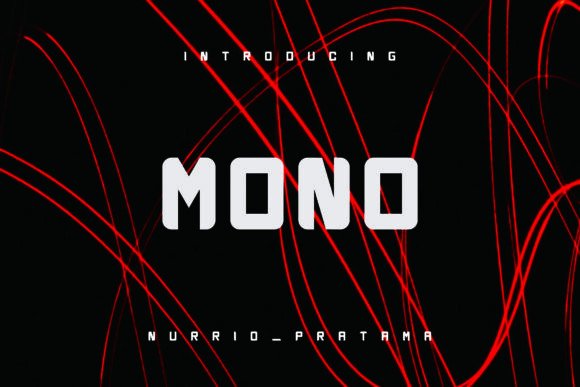
Mono immediately establishes a tone of precision and innovation, making it an ideal choice for technology branding where clarity and forward-thinking are paramount. When I first applied the font to a tech-focused newsletter graphic, the geometric structure of the letters created an instant sense of authority and sleekness that standard fonts simply could not match. The distinct lack of serifs does not feel sterile here; instead, the bold minimalism adds a layer of sophistication that resonates with audiences accustomed to high-tech interfaces and modern UI design.
- The sharp angles and consistent stroke widths provide a cohesive look across different screen sizes.
- The futuristic edge helps differentiate digital products in a crowded marketplace.
- Bold weights anchor headlines effectively, ensuring they stand out against complex backgrounds.
This versatility makes Mono particularly effective for sci-fi posters or any project needing to convey a sense of tomorrow. By leveraging these characteristics, designers can create a visual language that feels current and relevant, instantly signaling to the reader that the content within is cutting-edge.
Using Mono for Bold Minimalist UI Design Elements
Incorporating Mono into user interface design requires a keen eye for spacing and weight distribution, yet the results are often transformative for digital experiences. During my test with a course PDF worksheet, the font's geometric nature allowed for tight kerning on labels and buttons without sacrificing legibility. This Sans Serif font excels in scenarios where space is limited, such as mobile headers or dashboard navigation, because its clean lines reduce visual clutter.
The structural integrity of the characters ensures that even at smaller sizes, the text remains crisp and readable. For UI design, this means users can scan information quickly, which is crucial for retention and engagement. Whether you are designing a landing page or a complex application, Mono provides the backbone for a layout that feels organized and professional.
Mono Integration in Editorial Layouts and Digital Publications
While many display fonts struggle to maintain character when scaled down for body text, Mono proves its worth as a versatile component in comprehensive editorial layouts. I utilized the font primarily for chapter openers and section headings in a recipe ebook, finding that its sharp, sleek personality complemented the culinary photography without competing for attention. The contrast between the stark, modern typography and the organic textures of food images created a balanced and visually appealing composition.
The font's ability to support readability is notable; while it is not intended for dense paragraphs of long-form content, it serves perfectly as a structural element that breaks up text and creates rhythm. In a digital magazine layout, using Mono for pull quotes added a dynamic element that encouraged readers to pause and absorb key insights. The bold minimalism acts as a subtle guide, directing the flow of the narrative and reinforcing the publication's brand identity.
Enhancing Publication Identity with Geometric Sans Serif Fonts
Establishing a unique voice is essential for independent creators, and Mono offers a distinct path for those looking to define their Sans Serif aesthetic. When paired with a traditional serif font for body copy, Mono creates a compelling dialogue between the old and the new, a combination that is increasingly popular in modern editorial design. This pairing strategy allows for a sophisticated look where the headline grabs attention with its futuristic edge, while the body text provides the comfort and familiarity required for extended reading.
For bloggers and publishers, this combination can transform a generic blog post into a polished feature story. The consistency provided by Mono across titles, subtitles, and decorative accents ensures that every piece of content feels part of a larger, cohesive whole. It is this level of control over visual hierarchy that makes Mono a valuable asset for anyone serious about their design quality.
Selecting Premium Fonts for Commercial and Creative Projects
Choosing the right Fonts for commercial use involves balancing artistic expression with practical considerations like licensing and file formats. My experience with Mono highlighted the importance of checking included styles, alternates, and multilingual support before committing to a project. For a printable planner or a wedding guide, having access to multiple weights and perhaps some stylistic alternates can make the difference between a good design and a great one.
The font's suitability for technology branding and sci-fi posters suggests it has a broad range of applications beyond just print. It works equally well for social media graphics, logo design, and packaging design where a modern, sleek appearance is desired. However, it is important to note that while Mono is excellent for headlines and accents, it may not be the best choice for formal reports or small captions where extreme density is required. Understanding these limitations ensures that the font is used in ways that maximize its strengths.
- Verify Licensing: Ensure the commercial license covers your specific use case, whether it is a paid newsletter or a client publication.
- Check File Formats: Confirm that the download includes web fonts (WOFF/WOFF2) for optimal performance on websites.
- Test Readability: Always preview the font on actual devices to ensure it renders correctly across different operating systems.
Ultimately, Mono stands out as a premium option for designers seeking a blend of style and function. Its geometric structure and bold minimalism offer a fresh perspective that can revitalize static layouts and engage audiences in new ways. Whether you are crafting a newsletter graphic or rebranding a digital product, this typeface provides the tools necessary to create work that feels intentional, modern, and undeniably professional.