Pixeland: A Nostalgic Pixel Typeface for Modern Branding
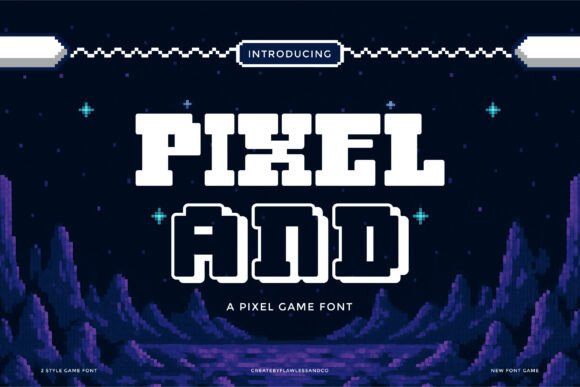
I remember staring at a blank brand board, the cursor blinking on a screen that felt too clean and corporate. The client wanted a boutique coffee shop identity that bridged the gap between artisanal craft and retro gaming culture. It was a tricky brief, but I knew exactly what to reach for. I opened my font library and pulled up Pixeland, a nostalgic pixel typeface crafted to bring classic video game vibes into your modern designs. Within minutes, the blocky letterforms of this Display font transformed the sterile layout into something vibrant and instantly recognizable.
This wasn't just about slapping an 8-bit aesthetic on a logo; it was about finding a voice that resonated with a specific audience while maintaining professional integrity. After spending weeks testing Pixeland across various design assets, from a rough logo concept to a final packaging mockup, I have gathered some honest observations about how this creative font performs in real-world branding scenarios.
How Pixeland Transforms Gaming Titles and Arcade Branding
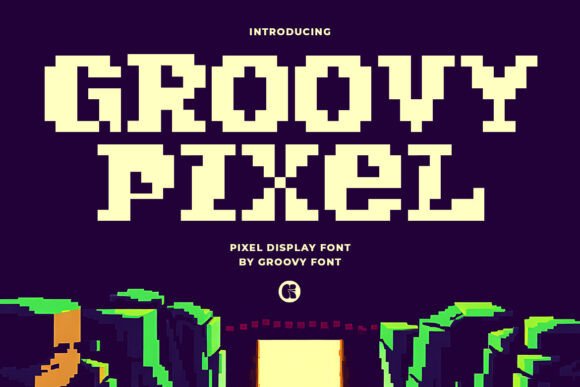
The primary reason designers gravitate toward Pixeland is its uncanny ability to capture the essence of arcade culture without feeling like a cheap imitation. When you apply these Fonts to a gaming title or an esports team logo, the result is immediate nostalgia. In my recent project for a local indie game studio, we used Pixeland for the main headline. The sharp, geometric edges of the letters mimicked the constraints of early hardware, yet the spacing felt deliberate and modern.
Unlike many other retro fonts that suffer from poor kerning or awkward pixel placement, Pixeland maintains readability even at smaller sizes. This is crucial when designing merchandise or social media graphics where space is limited. The font's personality shines brightest when used as a display element, commanding attention in headlines and posters. However, I found that using it for long-form body text in a game manual would be a mistake; it simply lacks the fluidity required for extended reading. It excels as a statement piece, perfect for capturing the excitement of a launch event or a tournament banner.
Applying Pixeland to Packaging Design and Product Labels
Beyond digital screens, Pixeland offers a unique opportunity for physical product branding. During a refresh for a handmade candy shop, I tested placing the font on a glossy sticker label. The contrast between the smooth, modern packaging and the chunky, digital texture of the typeface created a striking visual tension. It made the product feel playful and approachable, appealing directly to younger demographics who grew up with 8-bit games.
When working with Display fonts like Pixeland on packaging, you must be mindful of the background color and finish. On matte black cardstock, the white pixels pop with high contrast, whereas on a textured kraft paper, the effect might get lost. I recommend keeping the copy short—think brand names, slogans, or flavor descriptors rather than ingredient lists. The font works best when it acts as the hero of the design, drawing the eye immediately to the core message. For a creative studio selling digital assets, using Pixeland on a business card can signal that you understand both modern trends and retro roots.
Integrating Pixeland into Web Design and Social Media Graphics
In the digital realm, Pixeland serves as a powerful tool for establishing a distinct visual hierarchy. I recently experimented with this font for a personal blog header, pairing it with a clean sans-serif for the navigation menu. The juxtaposition worked beautifully, allowing the site to feel friendly and accessible while retaining a sense of structure. The blocky nature of the letters creates a natural grid that aligns well with responsive web layouts.
Social media platforms are another arena where Pixeland thrives. Instagram posts and YouTube thumbnails often rely on bold typography to stop the scroll. Using Pixeland for these elements ensures your content stands out in a feed dominated by minimalist aesthetics. The font's 8-bit characteristics evoke a sense of fun and creativity, which can increase engagement rates among communities interested in gaming, tech, or retro art. Just remember that on mobile devices, extremely small captions may become illegible, so always test your designs at actual screen sizes before publishing.
Pairing Pixeland with Serif and Sans Serif Typefaces
No single font tells the whole story, and Pixeland is no exception. To create a balanced brand identity, I suggest pairing this retro style with more neutral typefaces. A crisp sans-serif font pairs exceptionally well with Pixeland for body copy, providing the necessary legibility that the pixel style cannot offer. Conversely, a serif font can add a touch of sophistication, grounding the playful energy of the pixel letters in a more traditional context.
For example, if you are designing a menu for a retro-themed restaurant, you might use Pixeland for the section headers and a classic serif for the dish descriptions. This combination allows the brand to maintain its thematic consistency while ensuring customers can actually read the prices and ingredients. Avoid pairing it with other display fonts or script fonts unless you are going for a very chaotic, maximalist look. The goal is harmony, not competition between type styles.
Practical Considerations for Commercial Font Licensing
Before committing to Pixeland for a major client project, it is essential to review the included styles and licensing terms. Most premium font packages come with a variety of weights, alternates, and sometimes even multilingual support, which can expand the utility of the typeface significantly. Check if the license covers webfont usage if you plan to embed the font on a website, or if there are restrictions on merchandise production.
While Pixeland is an excellent choice for a wide range of applications, including editorial design and commercial advertising, it is not a one-size-fits-all solution. It should not be used for formal corporate communications, legal documents, or any context requiring a serious, understated tone. Its strength lies in its ability to inject character and personality into a design. By understanding its limitations and strengths, you can leverage Pixeland to create memorable brand identities that resonate with audiences looking for a blend of nostalgia and modern design sensibilities.